
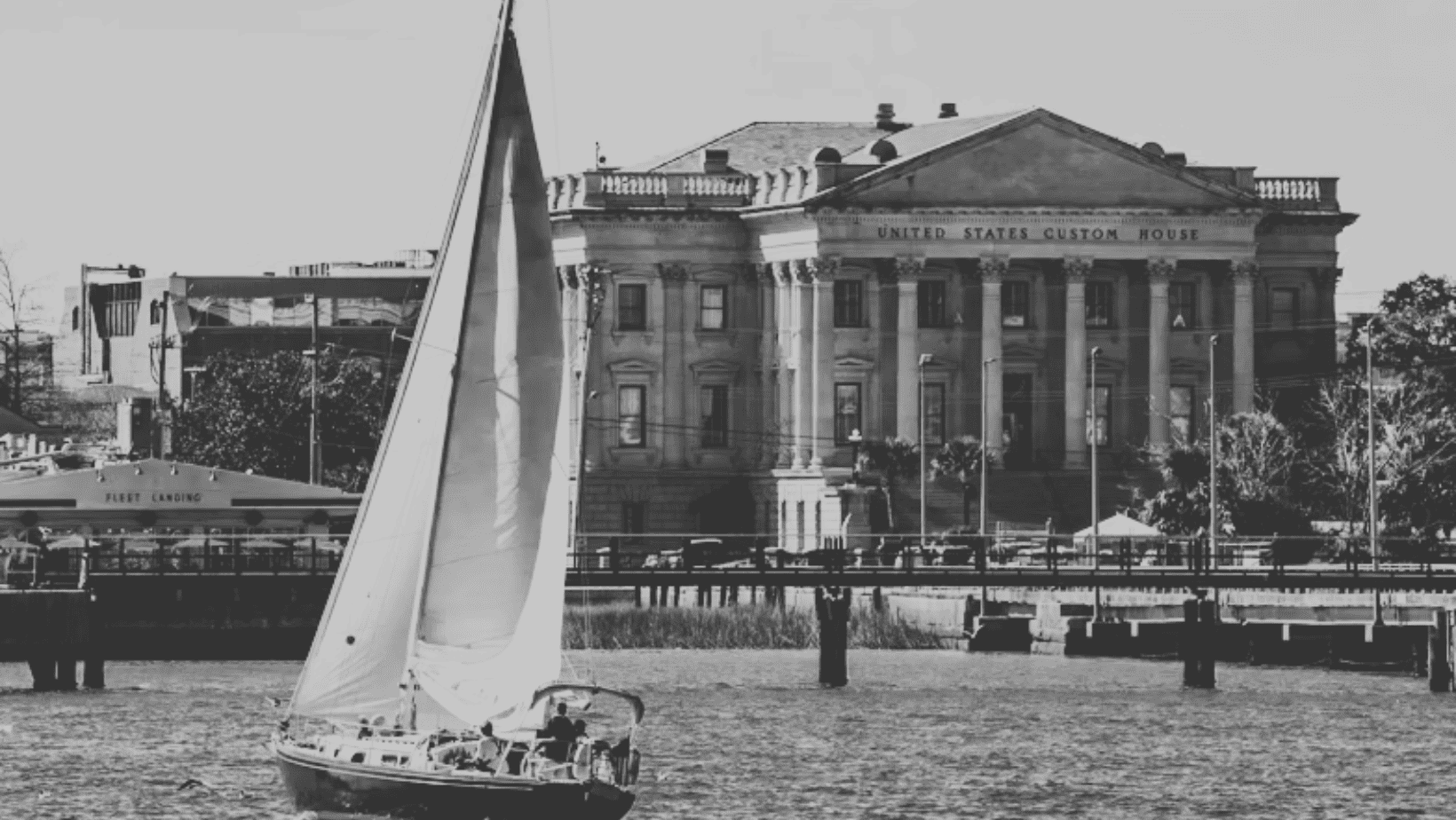
Learn more about Charleston, a city filled with history.
Charleston, South Carolina is one of the most picturesque cities in the United States and it’s also one of the most historically significant. From colonial beginnings to pivotal moments in American history, Charleston has played a major role in shaping the nation. Walking through its cobblestone streets and past centuries-old buildings, you’re not just sightseeing, you’re stepping into living history.
Here are some of the most important historic events that happened in Charleston and why they still matter today. Knowing what happened there in the past will make you appreciate it more when you stay in the city for a vacation.
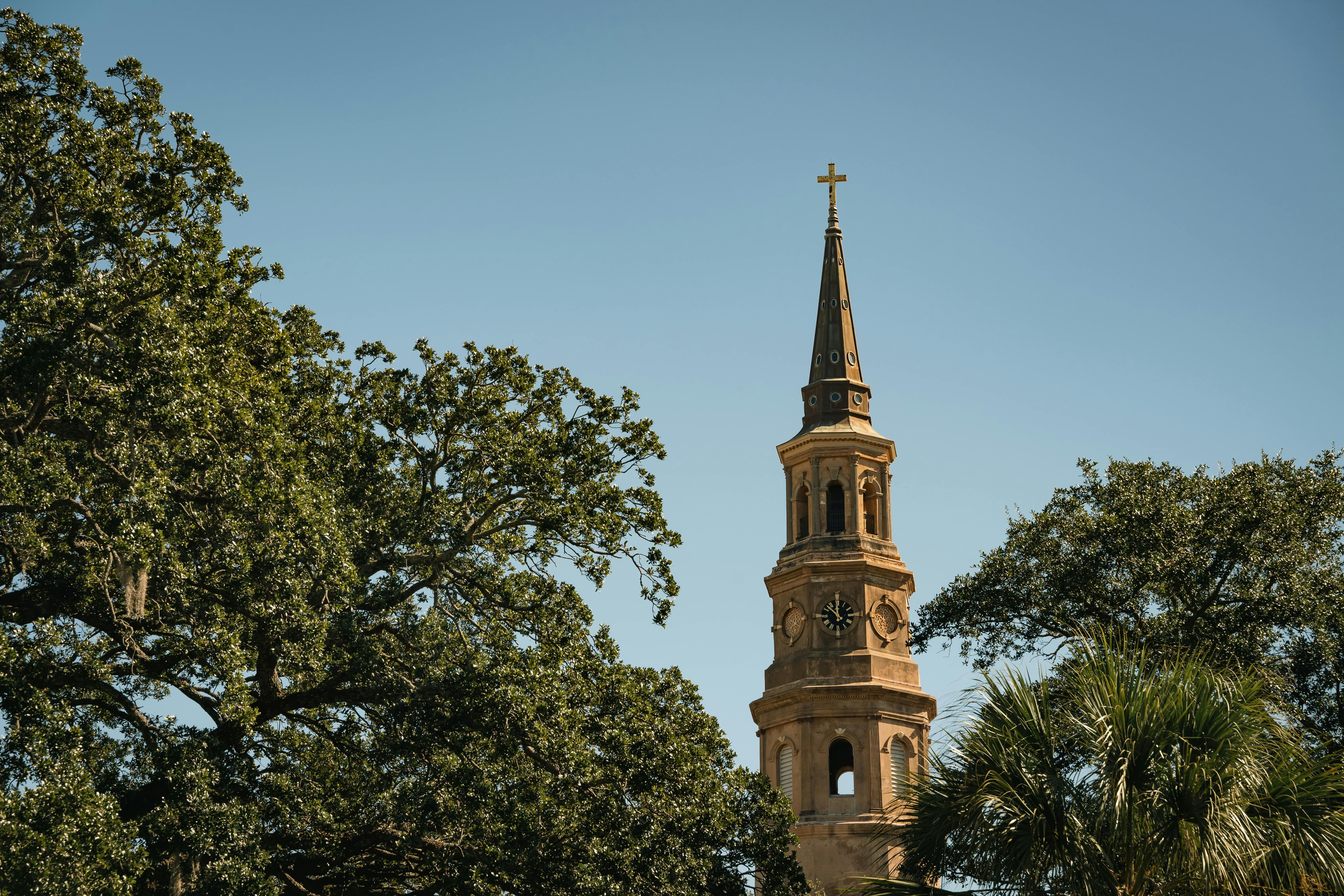
Historic Events That Happened in Charleston
A Key Port in Colonial America
Founded in 1670, Charleston quickly became one of the most important port cities in the American colonies. Its location along the Atlantic made it a hub for trade, particularly rice, indigo, and later cotton.
Charleston is one of the best built, handsomest, and most agreeable cities that I have ever seen. - Marquis de Lafayette
The American Revolution Comes to Charleston
Charleston played a strategic role during the American Revolution. In 1776, the city successfully defended itself against a British naval attack at Fort Sullivan (now Fort Moultrie), marking one of the first major American victories in the war.
However, the British returned in 1780 and captured Charleston after a long siege, making it one of the largest American defeats of the Revolutionary War. The city remained under British control until 1782, just before the war ended.
These events solidified Charleston’s importance as a military and political stronghold during the fight for independence.
The Civil War Begins at Fort Sumter
Perhaps the most famous historic event associated with Charleston is the start of the Civil War. On April 12, 1861, Confederate forces fired on Fort Sumter, located in Charleston Harbor.
This attack marked the beginning of the Civil War, a conflict that would reshape the entire nation. Today, Fort Sumter is a national monument and one of the most visited historic sites in the area.
Standing there, it’s easy to grasp the weight of that moment in American history.
The Great Charleston Earthquake of 1886
Charleston has also experienced natural disasters that left a lasting impact. One of the most significant was the earthquake of 1886, one of the strongest ever recorded on the East Coast.
The quake caused widespread damage throughout the city, destroying buildings and altering parts of Charleston’s landscape. Many historic homes still have visible “earthquake bolts”, metal rods added to reinforce structures after the disaster.
It’s a reminder that Charleston’s history isn’t just shaped by people, but by nature as well.
Preservation and Cultural Legacy
In the early 20th century, Charleston became a pioneer in historic preservation. Recognizing the importance of its architecture and heritage, the city established one of the first historic districts in the United States.
This effort helped protect landmarks, homes, and streetscapes that might have otherwise been lost to modernization. Today, Charleston’s commitment to preservation is a big part of what makes it so unique.
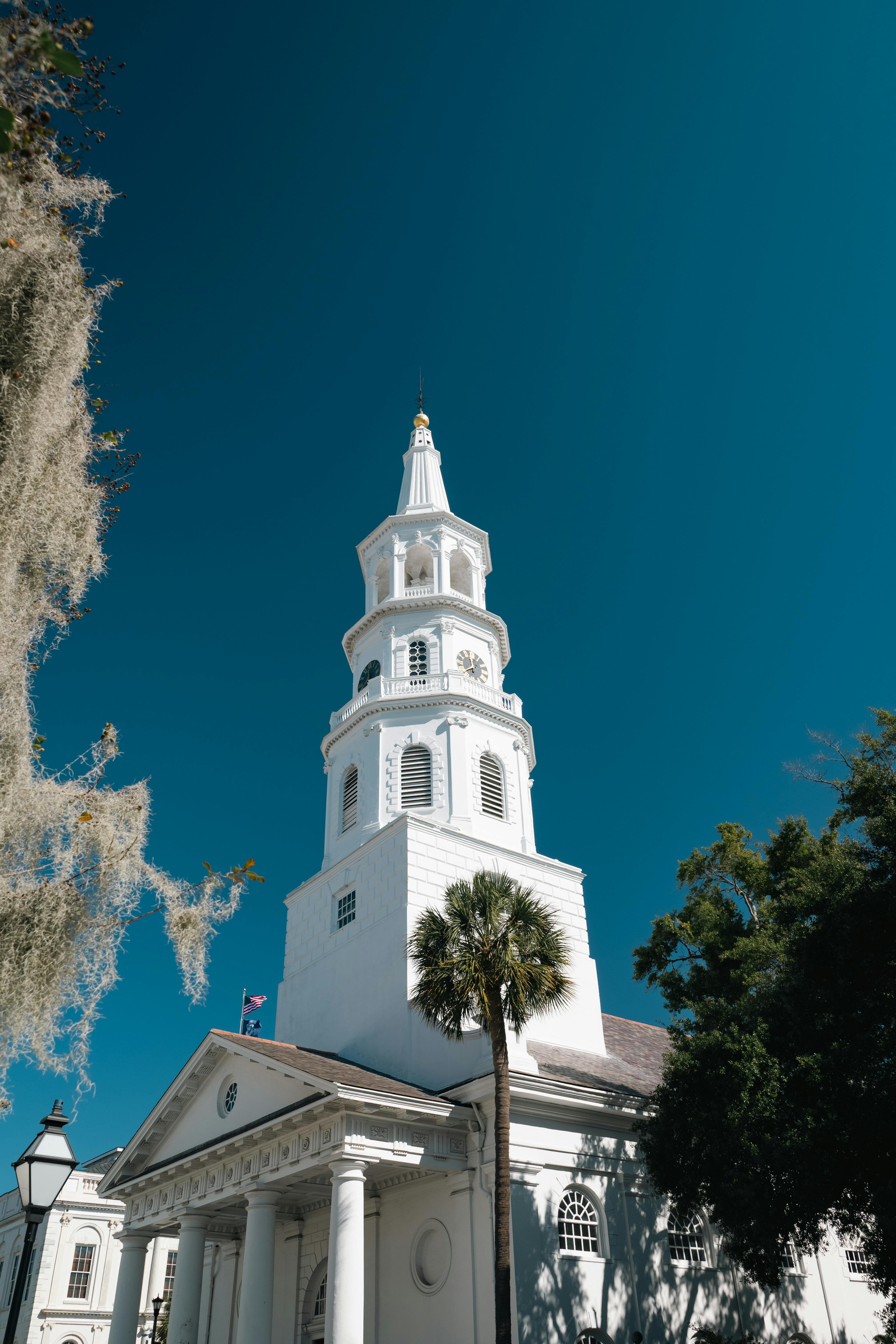
Historic Buildings in Charleston
Final Thoughts
Charleston’s history is layered, complex, and deeply influential. From its role in colonial trade and the American Revolution to the start of the Civil War and beyond, the city has been at the center of defining moments in U.S. history.
For visitors, that history isn’t confined to museums, it’s everywhere. And once you start to understand the stories behind Charleston, every walk through the city becomes a journey through time.
Visit Charleston now and experience its past.