
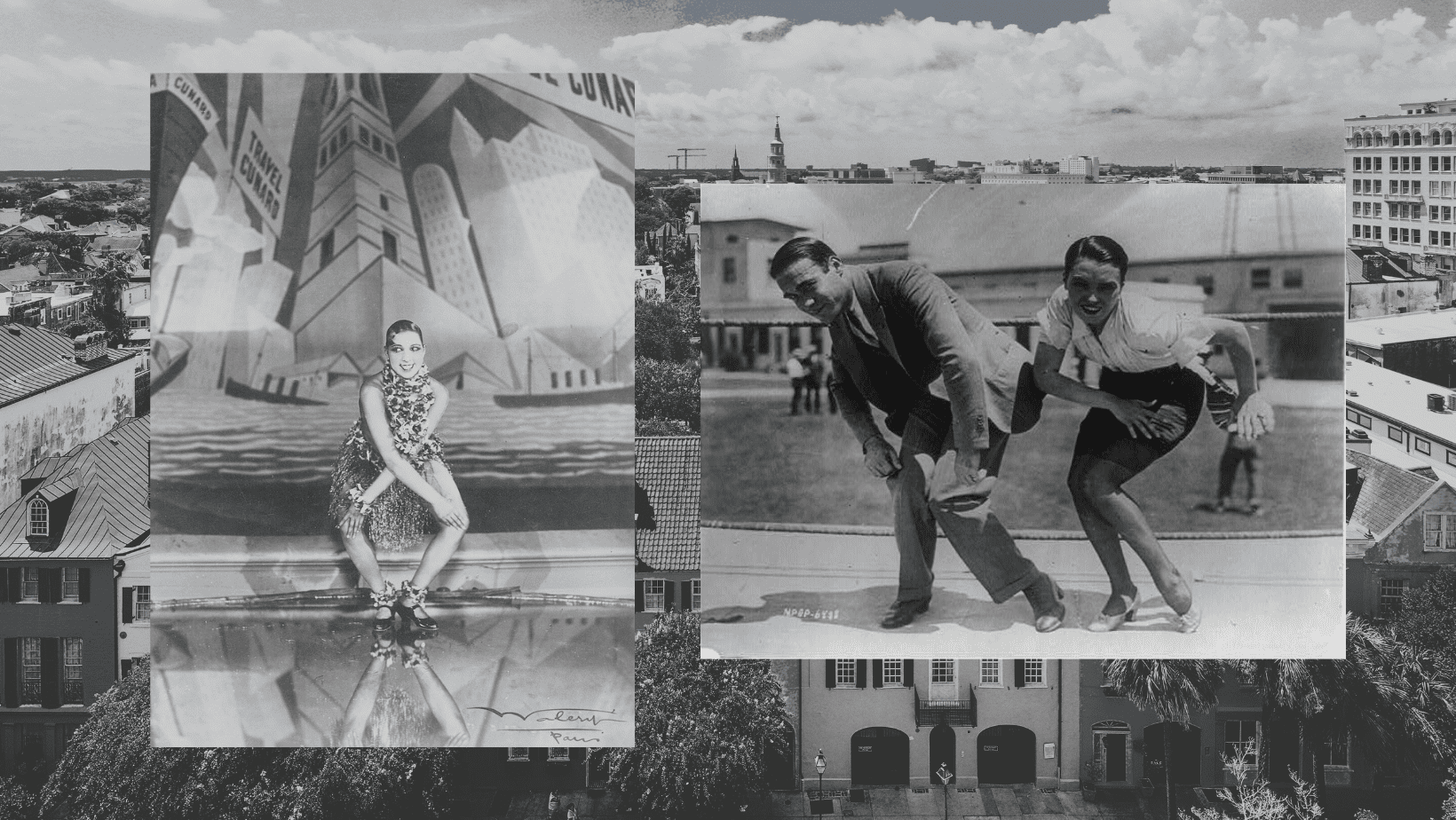
Have you seen someone do the Charleston?
Few dances capture the spirit of the Roaring Twenties quite like the Charleston. Fast-paced, energetic, and impossible to ignore, the dance became a cultural phenomenon that symbolized the freedom and exuberance of the Jazz Age. Its influence stretched far beyond dance halls, shaping fashion, music, film, and the image of modern American youth.
This is a short history of the dance, discussing its connection with its namesake city. This is a quick look into the rich cultural history of the United States.
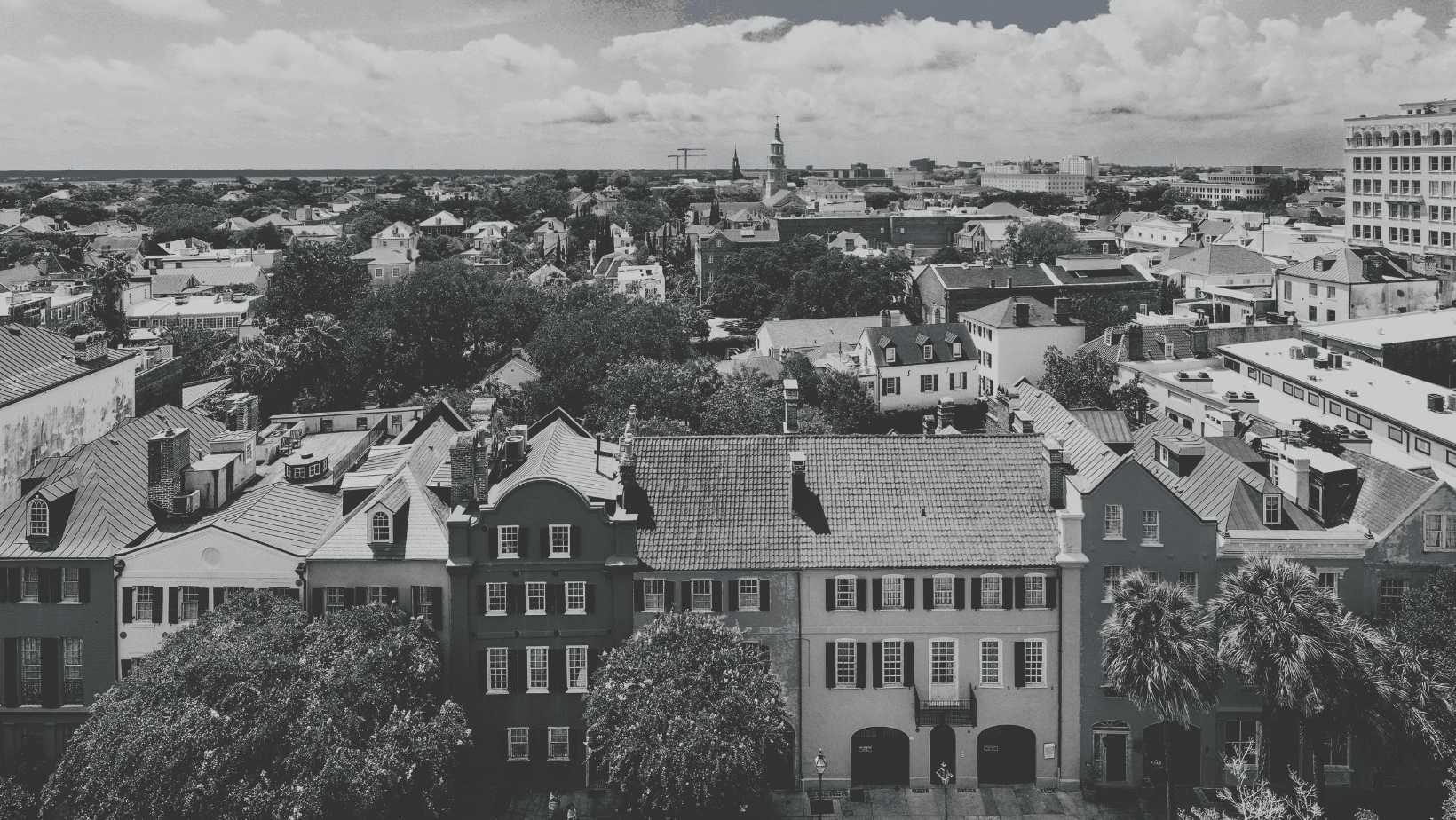
The Dance was named after the city of Charleston
Do the Charleston: A Short History of the Dance that Defined the 1920s
The Southern Roots of the Charleston
The Charleston’s origins can be traced to African American communities in the American South, particularly in Charleston, South Carolina. Local dance traditions featured rhythmic footwork, syncopated movements, and improvisation that reflected African cultural influences. These dance styles evolved through social gatherings, performances, and community celebrations before eventually reaching wider audiences.
As Black musicians and performers brought these traditions to larger cities, elements of the dance became part of the growing jazz culture that was transforming American entertainment in the early twentieth century.
Broadway Brings the Dance to the Nation
The Charleston first exploded into mainstream popularity in 1923 with the Broadway musical Runnin’ Wild. The production featured the song “The Charleston,” composed by James P. Johnson, whose infectious rhythm captivated audiences. The dance number became the show's standout attraction, and theatergoers quickly began imitating the steps.
Within months, dance instructors, newspapers, and entertainment venues across the country were teaching people how to perform the Charleston. What began on a Broadway stage soon became a nationwide craze.
What Makes the Charleston Unique?
The Charleston is known for its lively kicks, swinging arms, and distinctive footwork. Dancers twist their feet inward and outward while performing rhythmic kicks and weight shifts that match the syncopated beat of jazz music.
One reason for its popularity was its versatility. It could be performed solo, with a partner, or in groups, making it suitable for dance halls, parties, and crowded speakeasies. The dance’s playful energy encouraged creativity and personal expression, which appealed to a generation eager to embrace new forms of entertainment.
A Symbol of the Roaring Twenties
More than just a dance, the Charleston became a symbol of the cultural changes sweeping America during the 1920s. The decade was marked by economic growth, urbanization, and the rise of jazz music. Young people embraced new fashions, social freedoms, and attitudes that challenged traditional expectations.
Women played a particularly important role in the dance’s popularity. Flappers, known for their shorter dresses, bobbed haircuts, and independent lifestyles, adopted the Charleston as a symbol of modern womanhood. The energetic dance reflected the era’s spirit of freedom and self-expression.
Controversy and Cultural Impact
Not everyone welcomed the Charleston. Some critics viewed its energetic movements as too provocative or rebellious. Religious leaders and social conservatives argued that jazz music and modern dances threatened traditional values.
Despite these objections, the dance continued to grow in popularity. In many ways, the controversy helped fuel interest, making the Charleston even more appealing to young people eager to embrace the changing times.
From Dance Halls to Global Fame
The Charleston quickly spread beyond the United States through films, touring performers, and international dance competitions. Hollywood productions showcased the dance to audiences around the world, helping establish it as one of America's most recognizable cultural exports.
Its popularity influenced fashion, music, and social trends throughout Europe and other parts of the world, making the Charleston a truly global phenomenon.
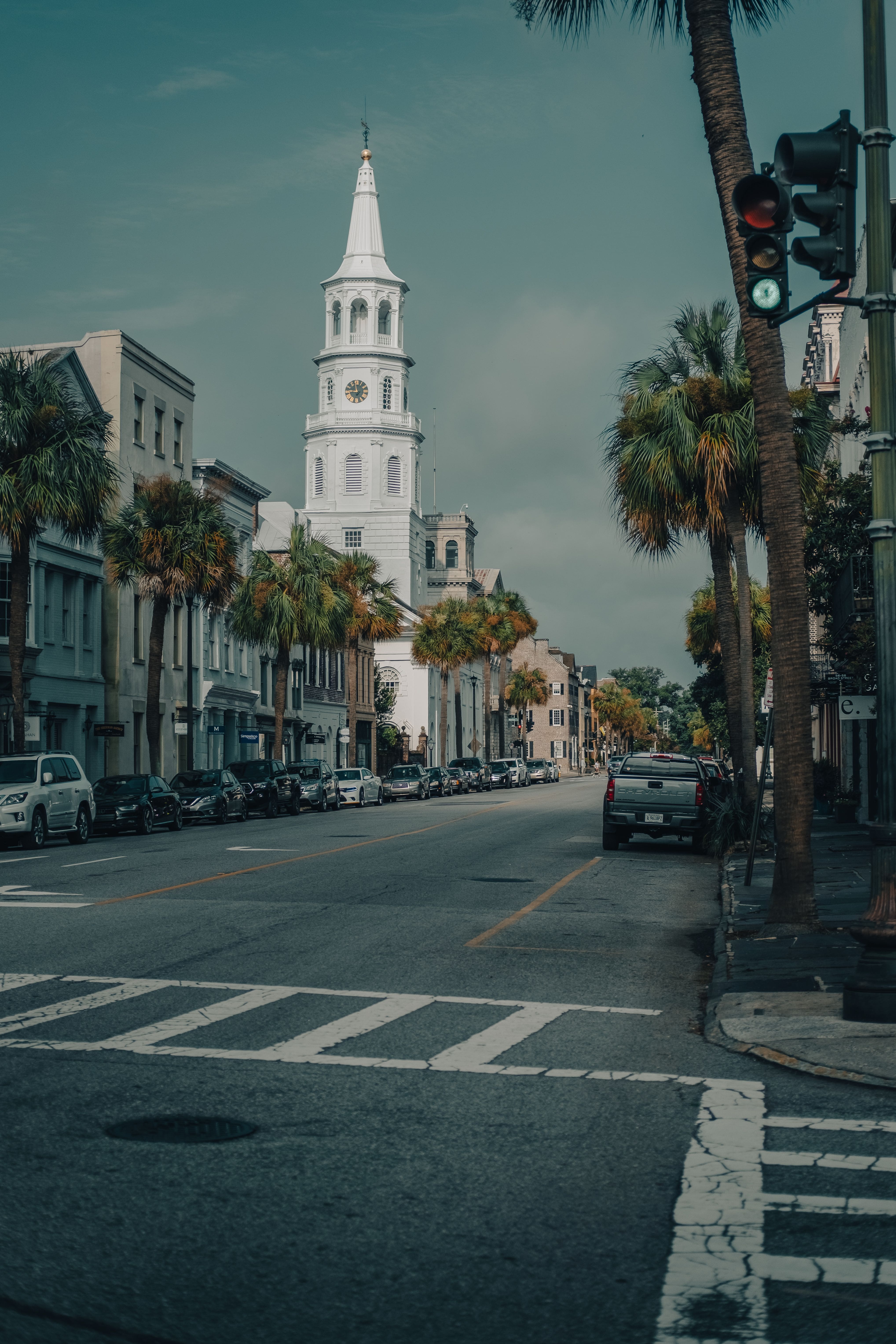
Charleston is a historic city
The Charleston's Lasting Legacy
Although other dance styles eventually replaced it in mainstream popularity, the Charleston remains one of the most iconic dances in history. It paved the way for later jazz and swing dances while highlighting the profound influence of African American culture on American entertainment.
Today, the Charleston is still taught, performed, and celebrated as a defining symbol of the Jazz Age. Nearly a century after its peak, its infectious energy continues to capture the excitement, optimism, and rebellious spirit of the 1920s.
You can spend time in the city where the dance originated and stay in a vacation rental there to have fun.